The industry gathering focused on fostering dialogue among producers and various specialized organizations, as well as highlighting the challenges and opportunities facing the cider category in Switzerland. Through joint initiatives, the goal is to develop the domestic cider market to attract new consumers and cater to additional consumption occasions.
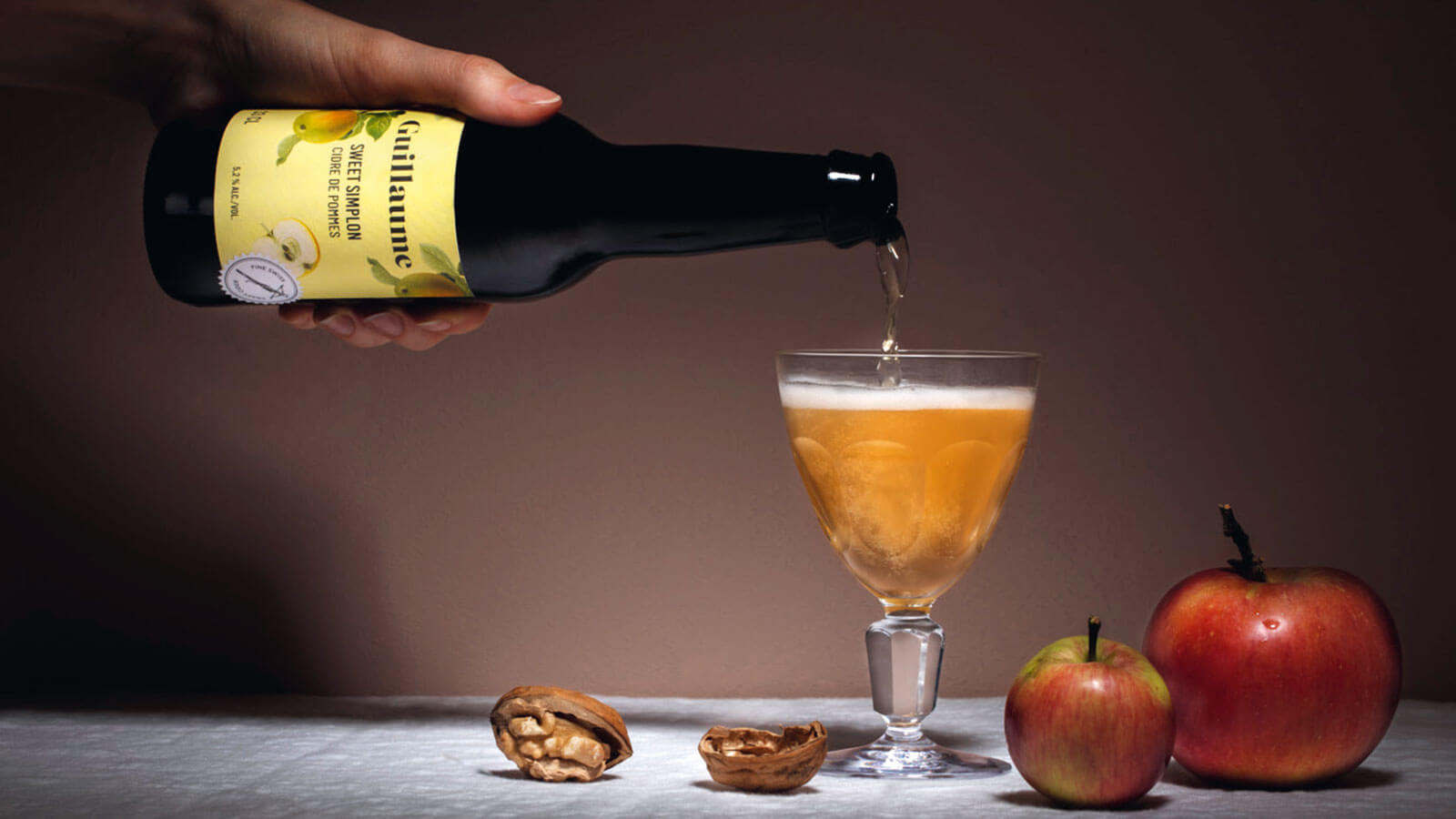
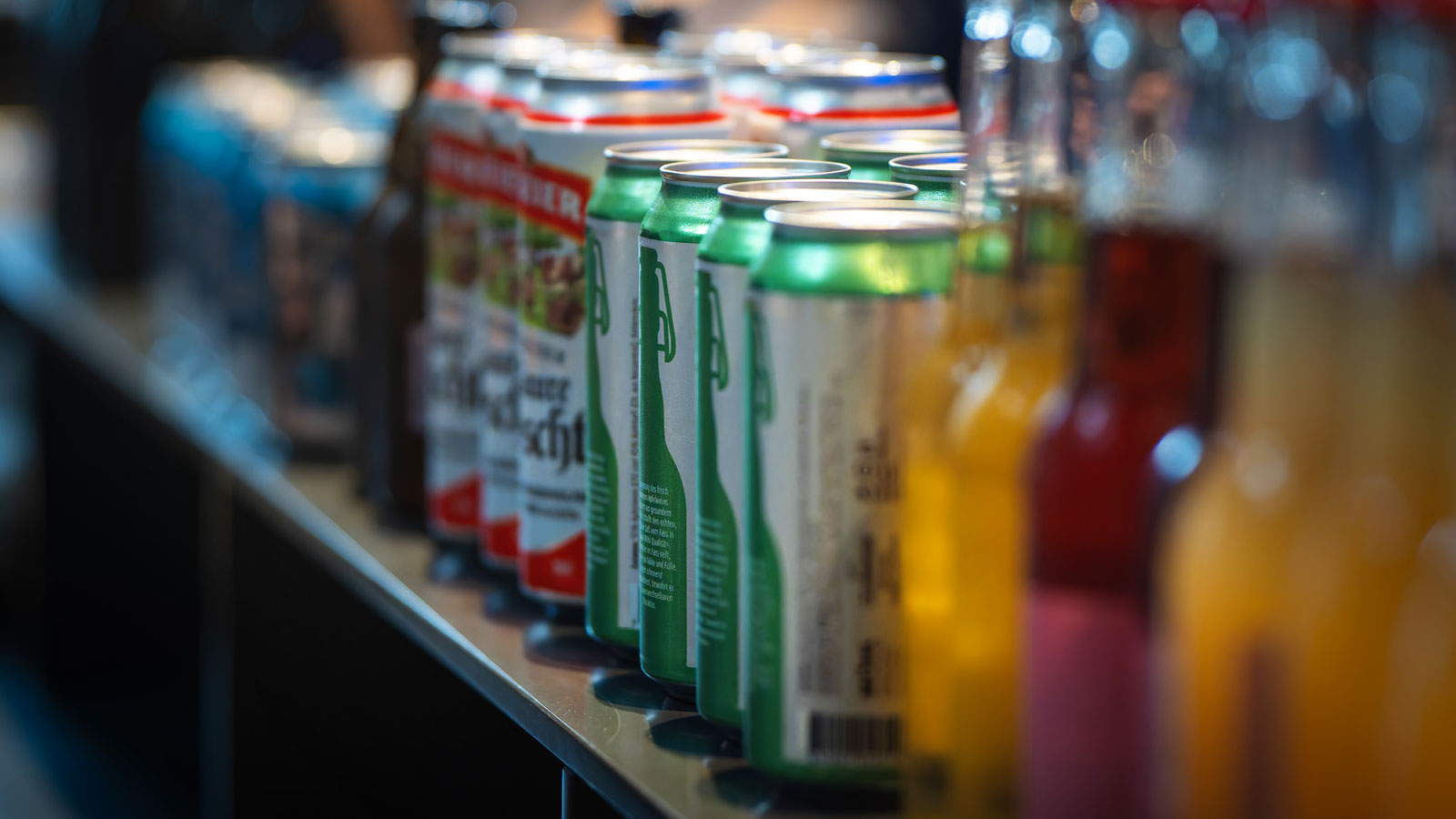
The fact that cider, thanks to its exceptionally wide range of flavors, lends itself to an above-average number of drinking occasions has earned it a reputation as the chameleon of the beverage industry. This perception is reinforced by its ever-changing “outfits.” Whether “on tap” at a pub, in a can for on the go, in a 33cl glass bottle reminiscent of beer, the iconic swing-top bottle, or even an elegant sparkling wine bottle—it adapts to the situation.
Depending on which subcategory a cider belongs to and the occasion for which it is intended, it lends itself to different uses. The participants agreed: While this is great and brings many benefits, the industry must also recognize that this diversity requires even more intensive market education. As things stand today, the majority of consumers are still too far removed from this niche product, with consumption at around 1.5 liters per capita. Conclusion: Awareness-building and educational efforts are at the top of manufacturers’ priority lists to foster understanding and highlight the product’s benefits.
Among the strengths highlighted during the summit—and which will continue to be emphasized—was the exceptionally high quality of non-alcoholic cider varieties. Over the past 20 years, these have gained widespread acceptance in the market and successfully established themselves. According to the Federal Office for Agriculture, as of 2023, more non-alcoholic ciders were sold and consumed on the Swiss market than alcoholic ones. That speaks for itself. Sales of pure drinking alcohol declined from 10.6 liters to 7.6 liters per capita between 2001 and 2025*.
Beer, wine, and spirits are struggling with this dramatic trend and are trying, as much as possible, to counter it with non-alcoholic products. Traditional apple cider and more modern interpretations of cider, however, are one step ahead in this regard and have been able to keep production more or less stable over the past few years by focusing early on low-alcohol or non-alcoholic apple ciders.
In addition to a repeat of the Cider Festival Markthalle Basel—which successfully launched its first edition last fall—the cider scene is already working on a similar festival format in Zurich as well as a cider pop-up. One thing is certain: things will continue to be exciting in the world of fermented apple juice, and systematic market development is likely to gain momentum. We can look forward to seeing more cider specialties on drink menus. Whether alcoholic or non-alcoholic, this niche—and the people behind it—are capturing the spirit of the times more than ever.
* (Source: Federal Office of Public Health & Obsan, Swiss Health Observatory).